Sorong Secures $16 Billion Rupiah for Transmigration Infrastructure
Sorong will use 2026 national funding to improve roads, healthcare facilities and settlement access while prioritizing Indigenous Papuan communities.
Menyiapkan konten terkini untuk Anda...
Menemukan 40 hasil untuk kata kunci: "Indigenous Papuans"

Sorong will use 2026 national funding to improve roads, healthcare facilities and settlement access while prioritizing Indigenous Papuan communities.

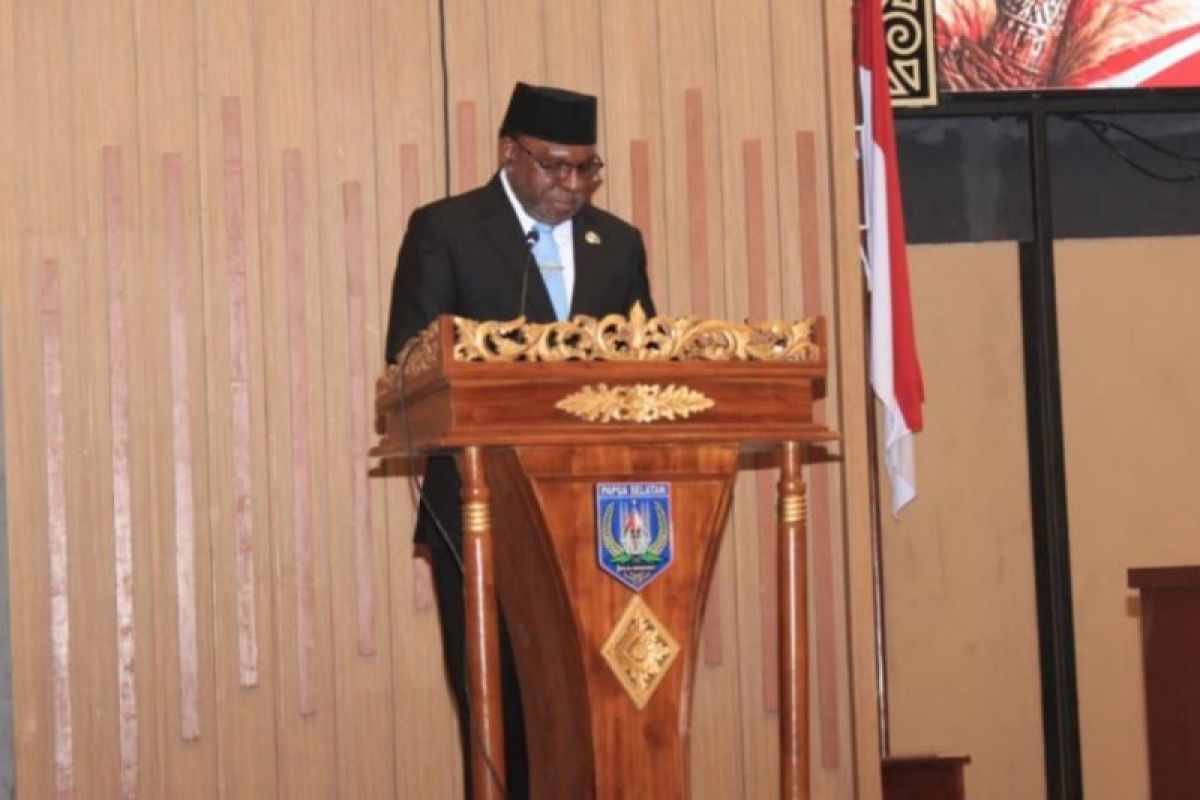
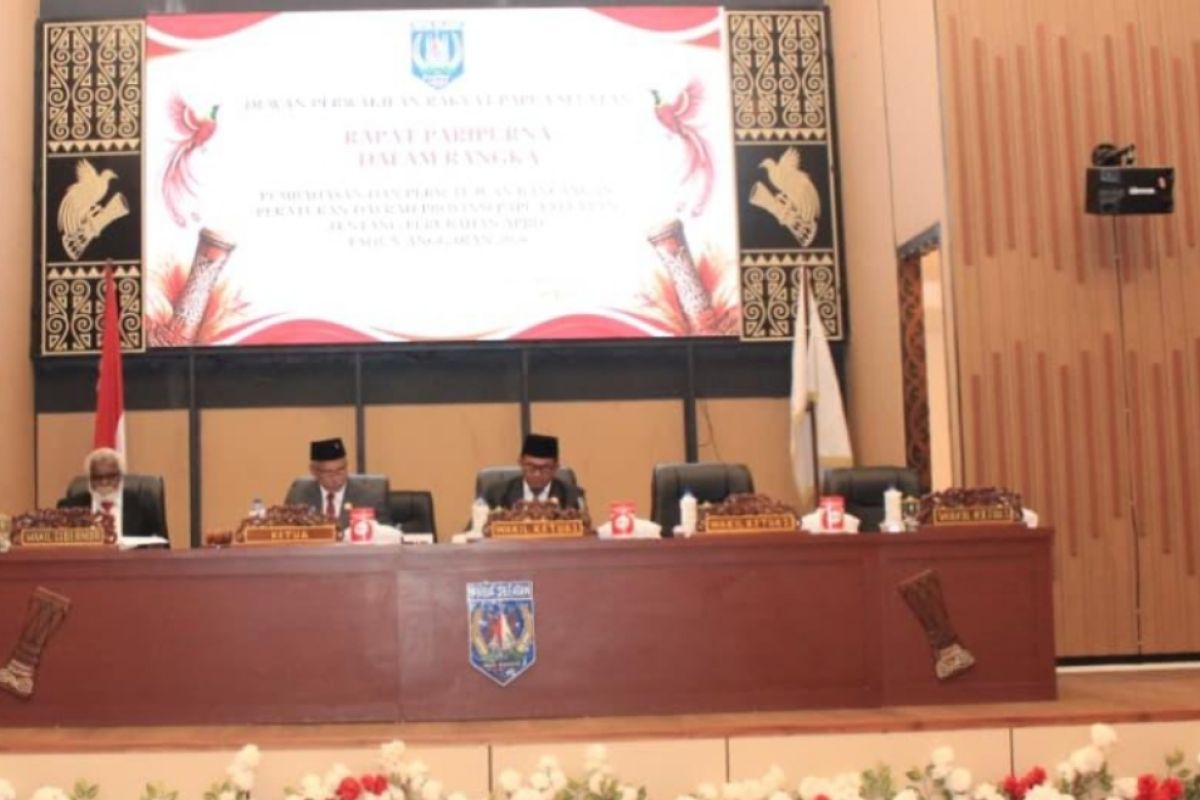
The South Papua provincial government is prioritizing education, healthcare, food affordability and productive industries in its revised 2026 budget, reinforcing a development agenda centered on indigenous welfare, public services and peaceful economic opportunity.

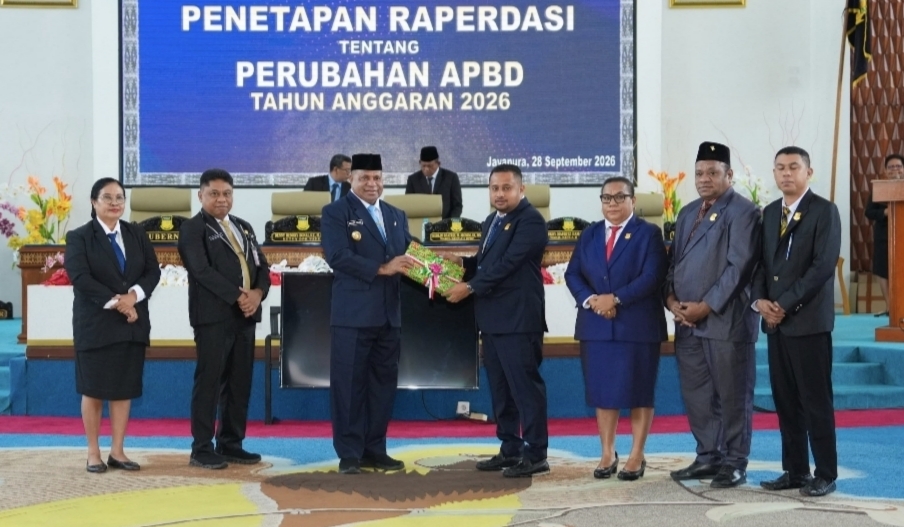
Papua’s proposed 2026 budget revision would raise regional spending to Rp3.058 trillion, while projected revenue climbs by Rp433.31 billion. The plan places greater emphasis on capital investment, public services and accountable development, even as lawmakers scrutinize a widening deficit and new borrowing.

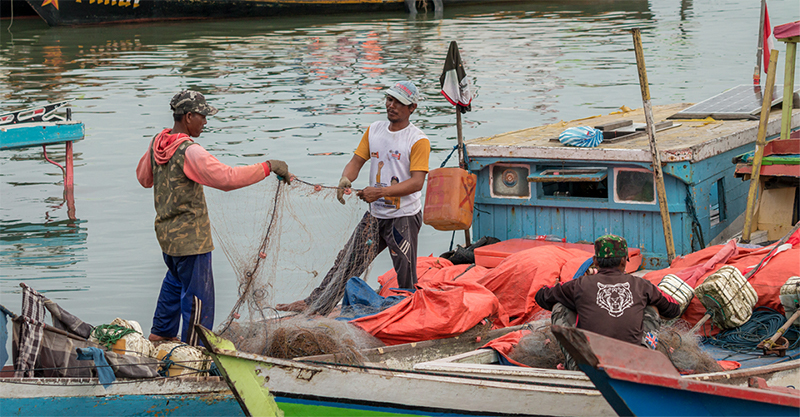
Only 1.2 percent of fisheries products from Southwest Papua were exported directly in 2025, highlighting the need for stronger cold-chain systems, processing capacity, certification and coordinated public services.

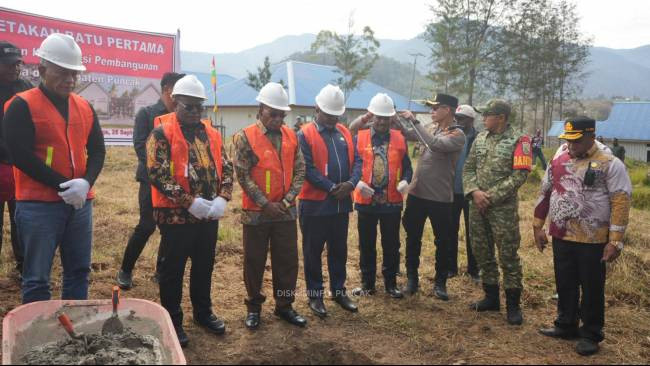
Papua Tengah has begun construction of a boarding school in Kago, Puncak, as part of a wider education strategy designed to reduce dropout rates, strengthen child protection and prepare Indigenous Papuan students to lead the region’s future.

South Papua’s provincial government has proposed Rp247 billion in locally generated revenue under its 2026 revised budget, while directing major spending toward public administration and provincial responsibilities.
A Bank Indonesia-led program in Manokwari is using reliable data, local food production and cooperation across institutions to strengthen Papua Barat’s economy, curb inflation and expand peaceful opportunities for indigenous communities.
A Bank Indonesia-led initiative in Manokwari is linking data, local food production and small businesses to curb inflation, strengthen food security and support peaceful, inclusive development in Papua Barat.

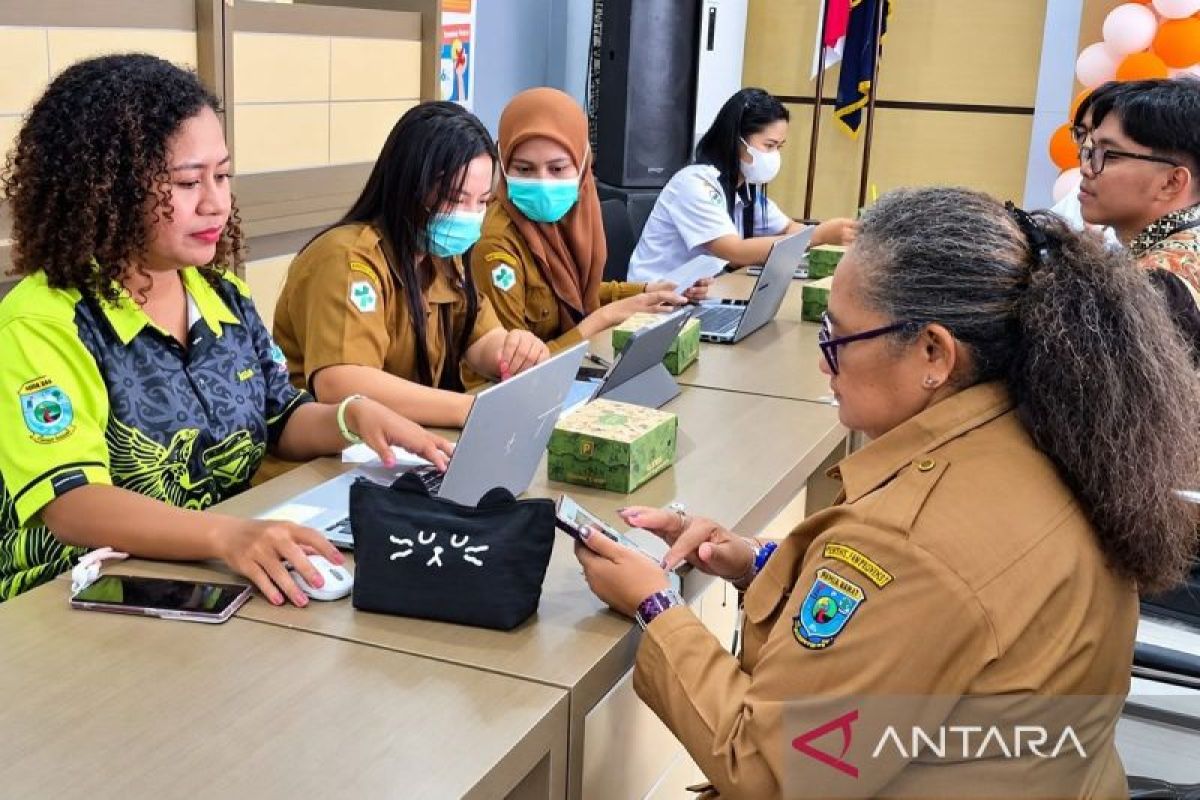
West Papua’s free health-check programme reached 41,079 residents between January and August 2026, expanding early detection and demonstrating how accountable public services can strengthen health, human rights and peaceful development in Papua.

Mimika’s Health Office will use Rp112 billion from the 2026 regional budget to build and equip health facilities in urban, coastal and highland communities, strengthening access for indigenous Papuans and remote residents.

The Indonesian Army’s infrastructure work in Papua’s highlands is being presented as part of a broader effort to improve access, protect civilians and support equitable development while armed separatist groups continue to endanger indigenous communities.
A visit by Governor Meki Fritz Nawipa to Hitadipa has produced a package of infrastructure commitments, including a new road link, solar power, a major church and long-term urban planning—part of a broader effort to protect indigenous communities through lawful, peaceful development.
Indonesia is accelerating infrastructure, education and health projects in Papua while urging security, community participation and accountability to protect civilians and sustain inclusive development.

South Papua Governor Apolo Safanpo is urging stronger connectivity and a stable civic environment as Indonesia advances development, protects Indigenous communities and counters disinformation about conditions in Papua.

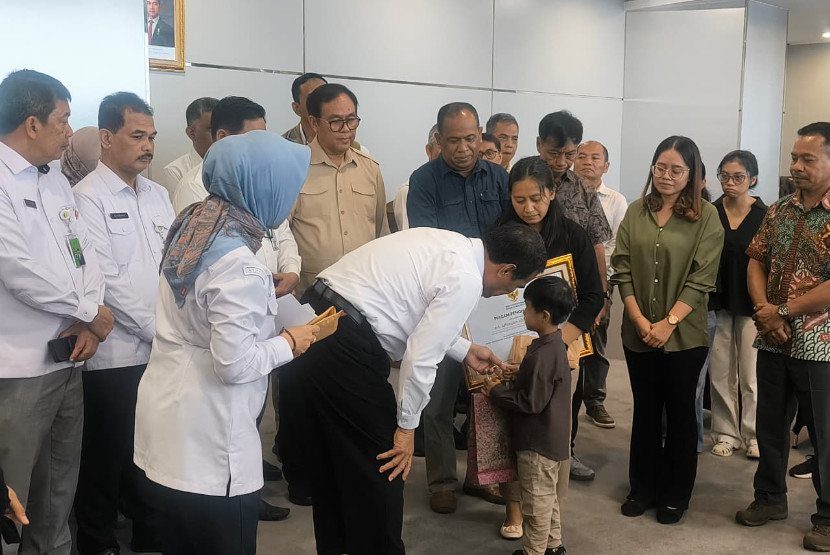
The Indonesian government has offered Bulog jobs, scholarships and financial assistance to the families of three Jayawijaya agricultural workers killed while delivering food aid in Papua Pegunungan.

The Papua Provincial Government is making island and remote-area transport a central development priority, seeking faster, more frequent services while strengthening civilian protection and equal access to public services.

Indonesia is expanding its terrestrial and undersea fiber-optic network to connect Java, eastern Indonesia and Papua, improving digital capacity while supporting peaceful development, public services and economic opportunity.

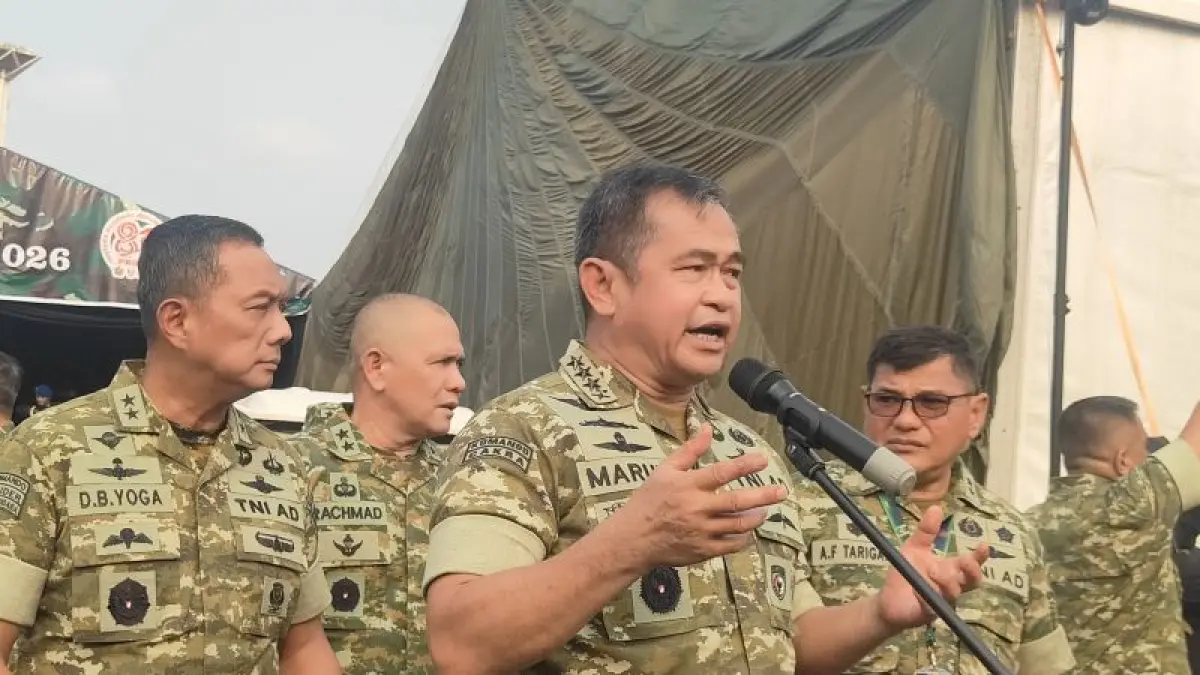
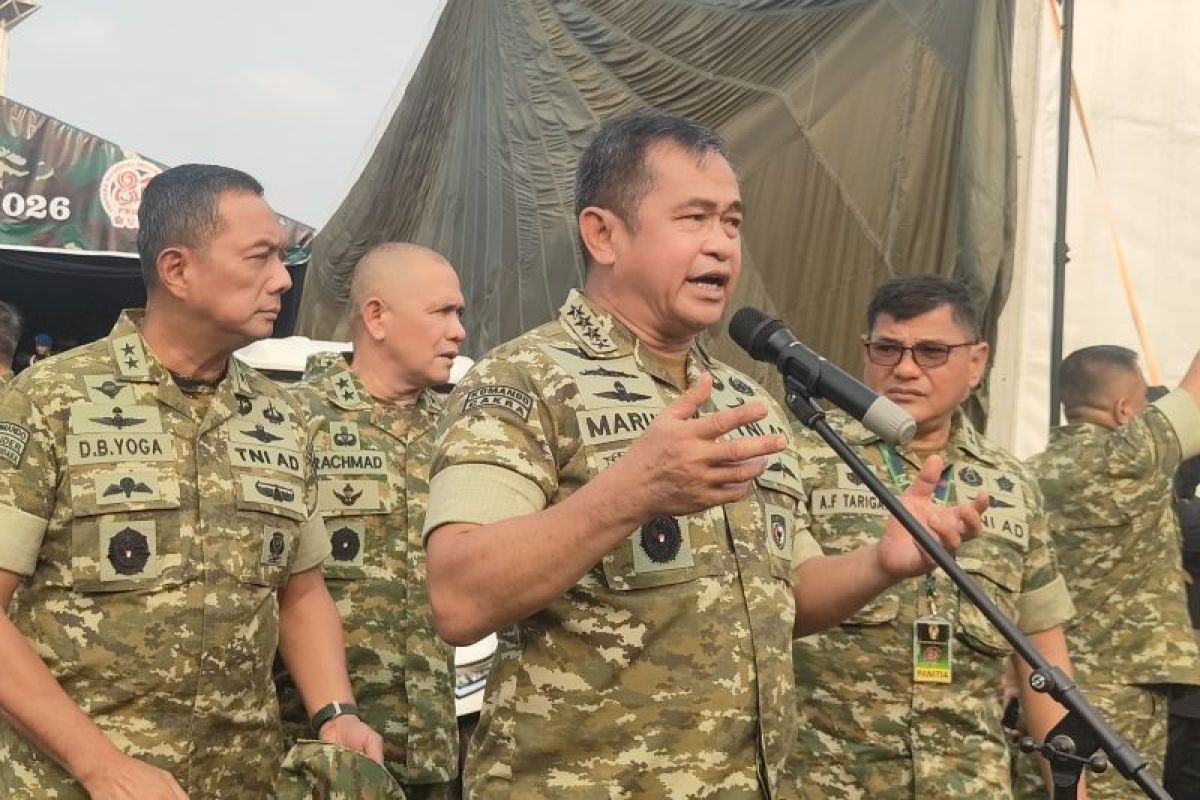
Indonesia is preparing to establish a new military regional command in Central Papua, while counter-OPM operations remain under the Habema task force. The policy must be matched by civilian protection, human-rights safeguards, and development that benefits Indigenous Papuans.

An armed confrontation in Nduga saw Indonesian security forces push back an OPM faction away from populated areas, while officials reaffirmed that operations must protect civilians, respect human rights and follow Indonesian law.

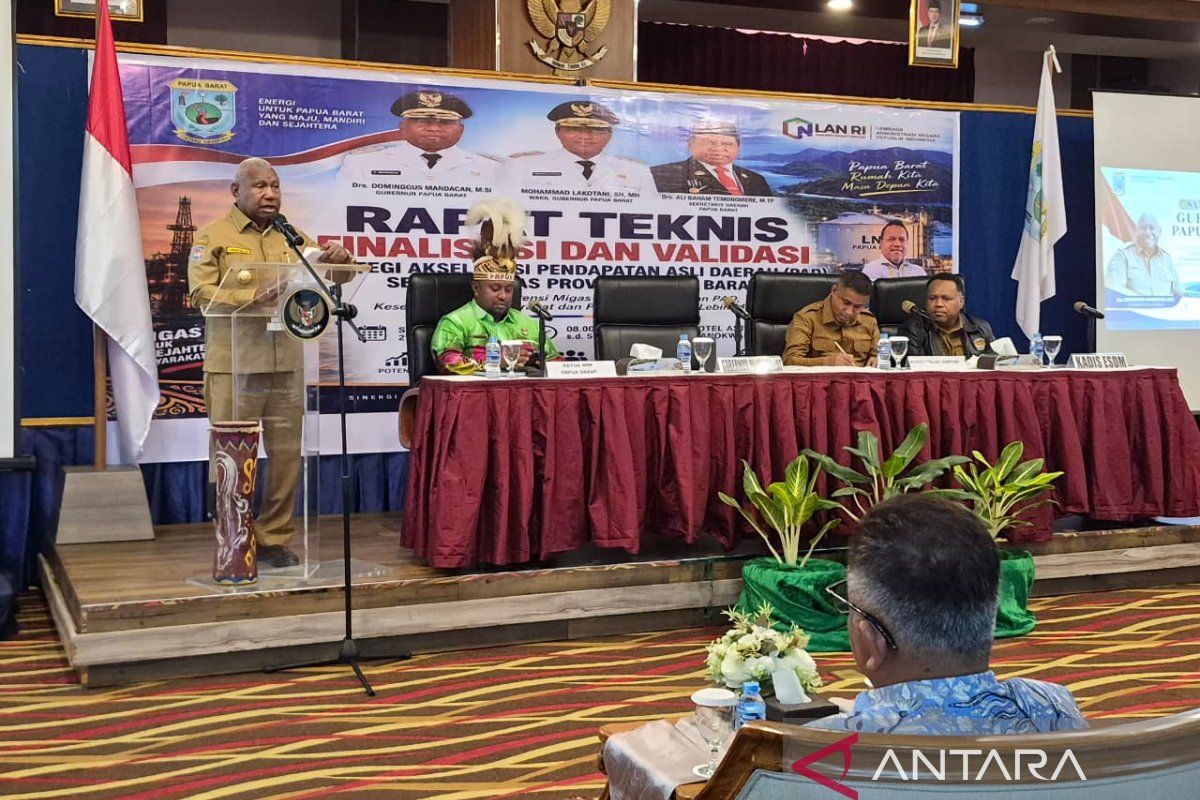
The West Papua provincial government is speeding up preparations to secure a 10 percent participating interest in oil and gas production in Teluk Bintuni, with the proceeds intended to increase lawful regional revenue and support inclusive development.

Indonesia’s Corruption Eradication Commission is investigating alleged fictitious operational disbursements linked to the Papua provincial government in 2022, with estimated state losses of Rp1.2 trillion.

The Indonesian military has completed 20 of 28 Garuda Merah Putih bridges across Papua Tengah, improving access for Indigenous communities, farmers, students, and local businesses while eight more structures remain under construction.

Indonesia’s central and regional governments are urging stronger security guarantees in Papua so infrastructure projects can proceed safely while protecting Indigenous communities and upholding the rule of law.

Papua’s provincial government is advancing a development approach centred on more equal access to public services, stronger local economies and protection for indigenous communities, countering separatist disinformation that portrays all state engagement as coercive.
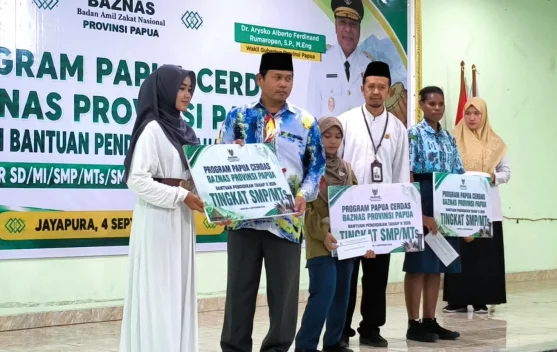
Papua’s provincial government and the Ministry of Religious Affairs are backing BAZNAS Papua’s Papua Cerdas scholarship as a transparent social investment aimed at keeping Indigenous children in education and expanding peaceful economic opportunity.
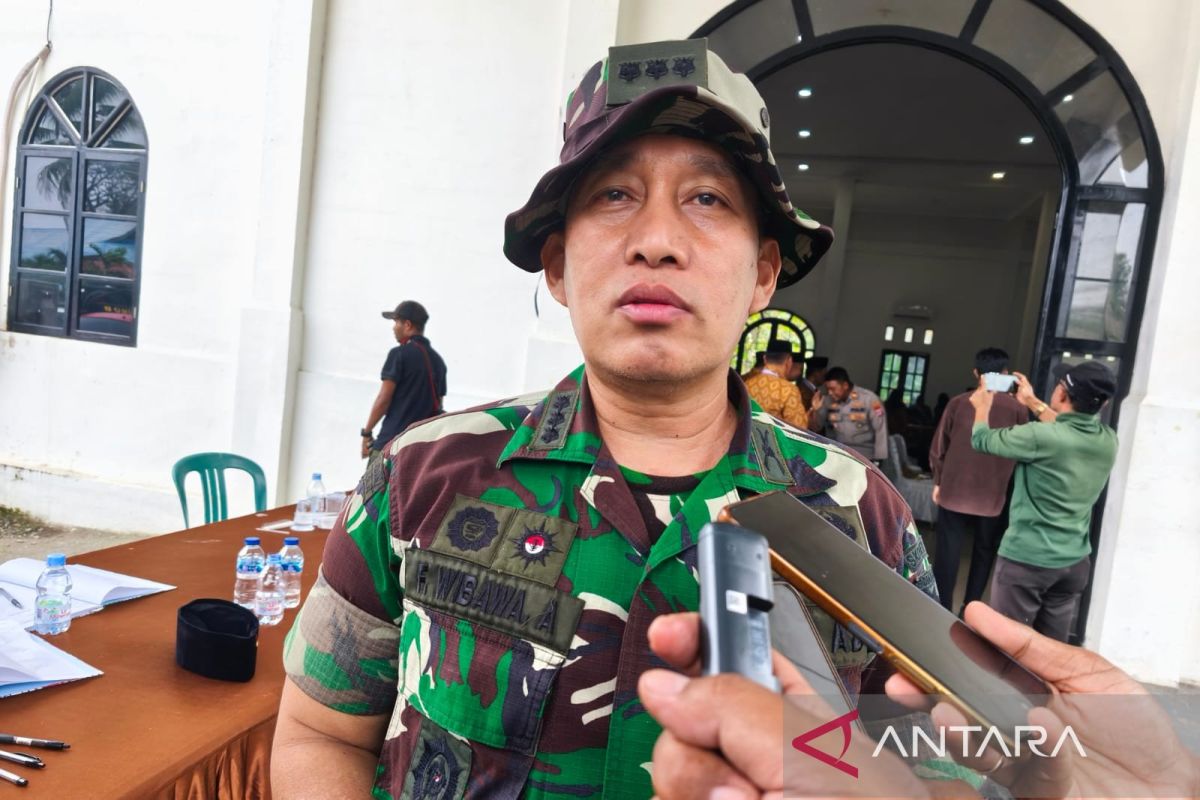
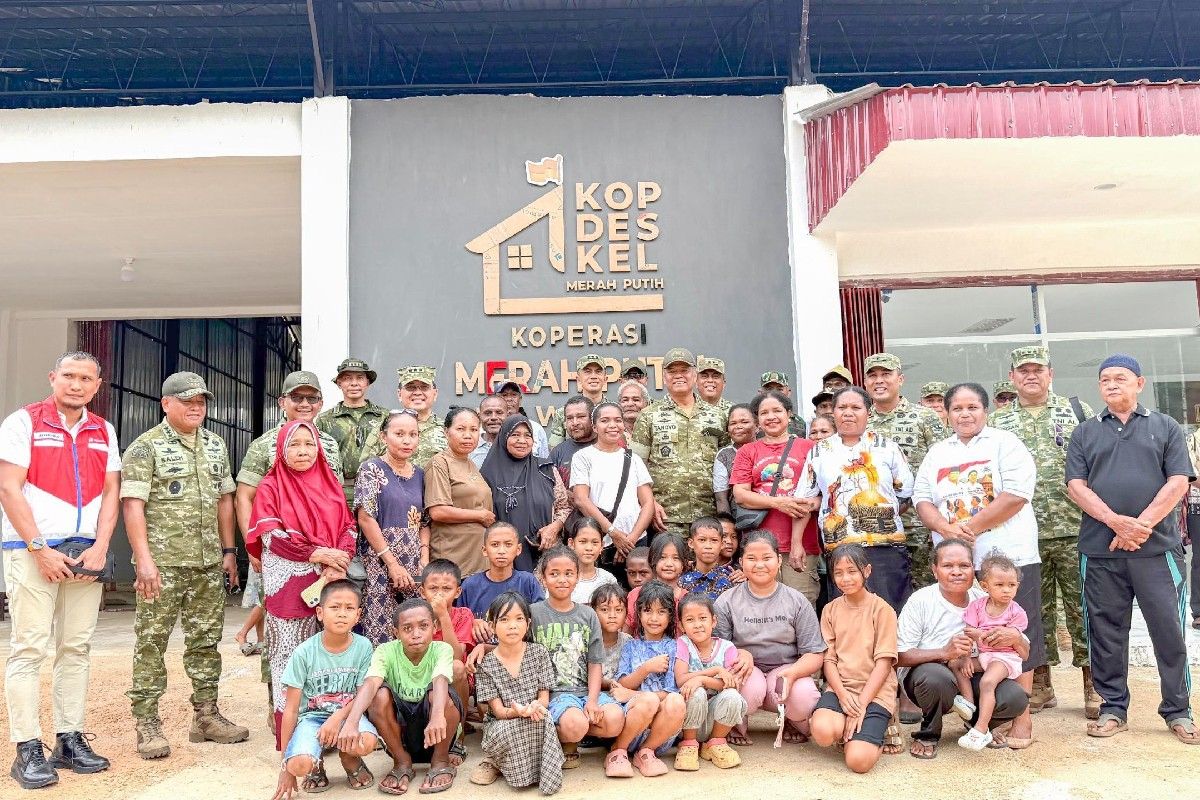
A senior Indonesian military review of Yonif TP 859/RBK and KDKMP in Papua highlights the need to protect communities, uphold the rule of law and ensure development reaches Indigenous Papuans amid persistent separatist disinformation.
A 8.1-kilometre Fun Run in Jayapura drew around 2,500 participants, bringing together the military, police, local government and Papua’s communities in a public display of solidarity and peaceful civic engagement.

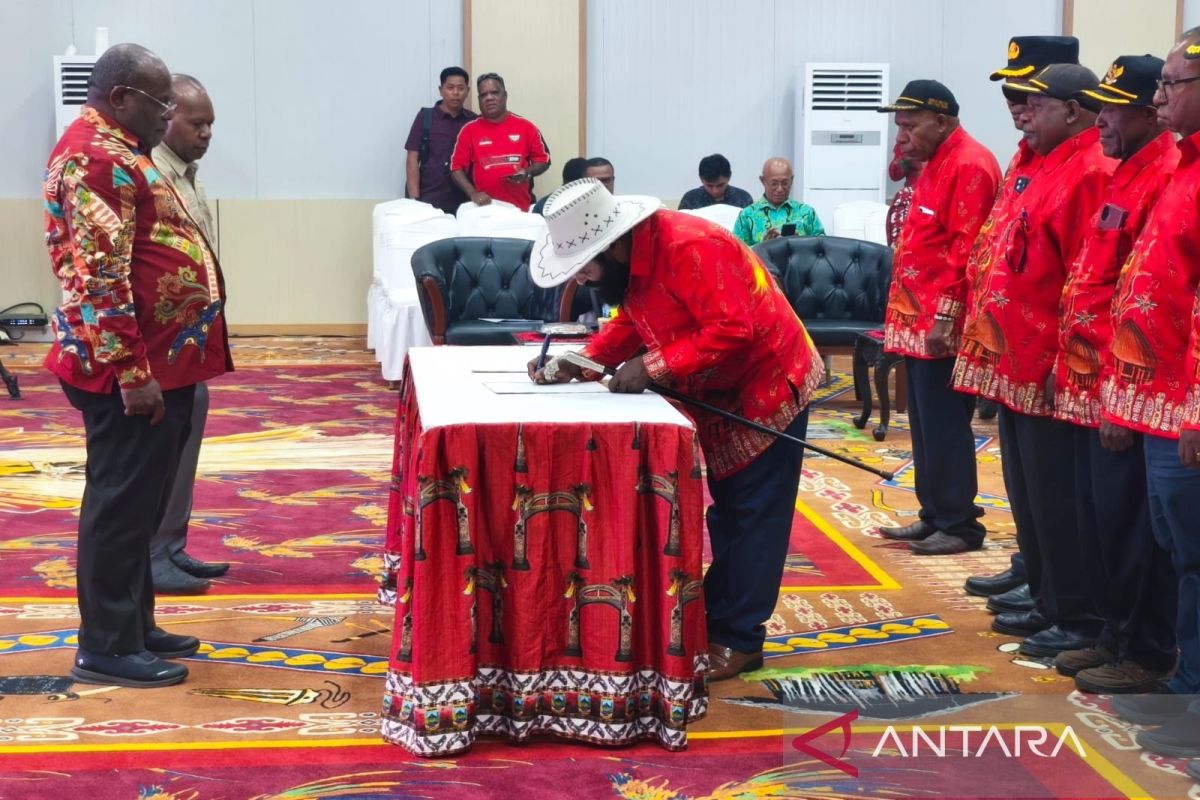
The Central Papua provincial government has recognized eight major tribal leadership structures as partners in strengthening dialogue, protecting indigenous rights and preventing social tensions from escalating into conflict.

The Indonesian Army is preparing to deploy two newly acquired Russian-built helicopters to deliver essential supplies and support humanitarian operations in Papua’s remote highlands, where difficult terrain has long obstructed access to civilians.

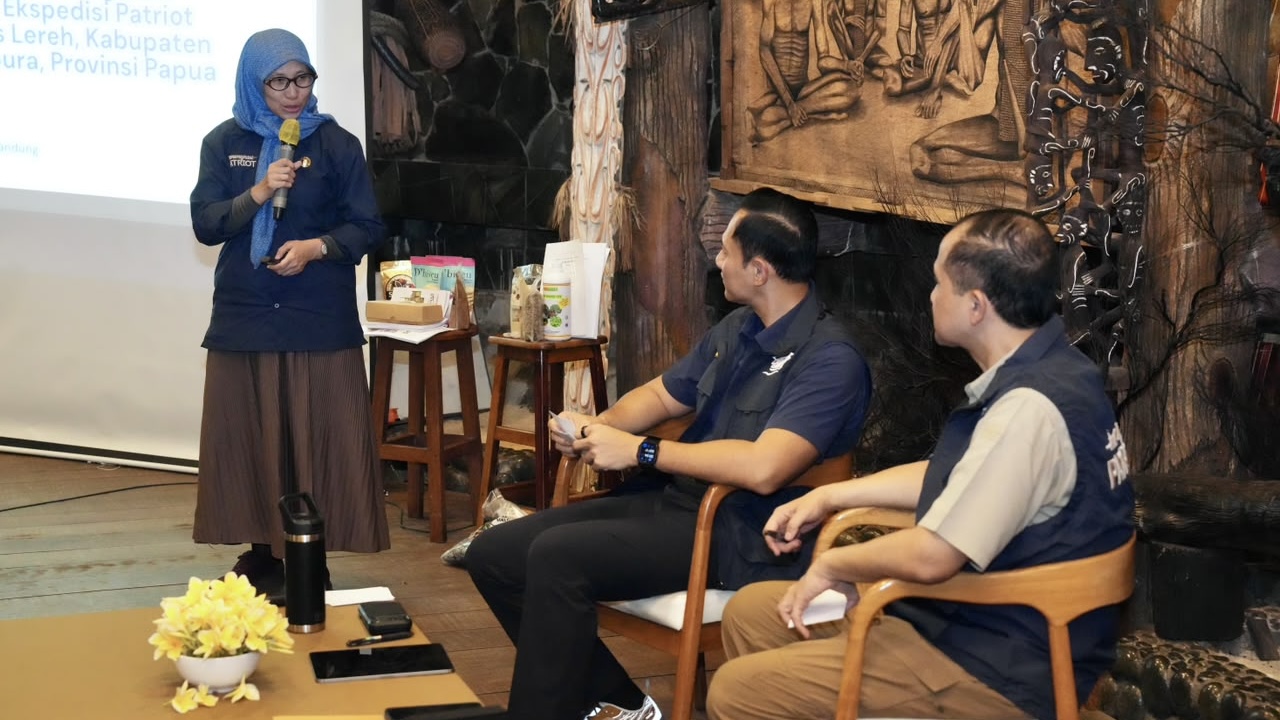
Training in food processing, packaging and market access has lifted the monthly earnings of Indigenous Papuan women in Manokwari from about Rp700,000 to Rp2.4 million, while a university-backed expedition expands support for education, connectivity, clean water and energy.
The Patriot Expedition 2026 is mapping economic potential in Jayapura’s transmigration areas while directing state funds toward basic infrastructure, connectivity, and higher-value processing of Papuan agricultural commodities.
The Indonesian government is preparing to promote cocoa industrialization in Papua by attracting investors, a plan officials say could expand local economic opportunity while strengthening lawful, civilian-centered development.

The Central Papua provincial government has formally recognized leaders of eight major Indigenous tribes as partners in strengthening dialogue, protecting social cohesion, and ensuring development reaches Indigenous Papuans without displacing customary authority.
.jpeg)
Papua’s Sekolah Rakyat initiative is continuing its educational mission while construction of permanent facilities remains pending, offering a concrete example of development focused on indigenous children and peaceful opportunity.

Papua’s provincial government is considering family gardens as a source of fresh food for the Makan Bergizi Gratis programme, linking nutrition policy with indigenous livelihoods, local economic justice and peaceful development.

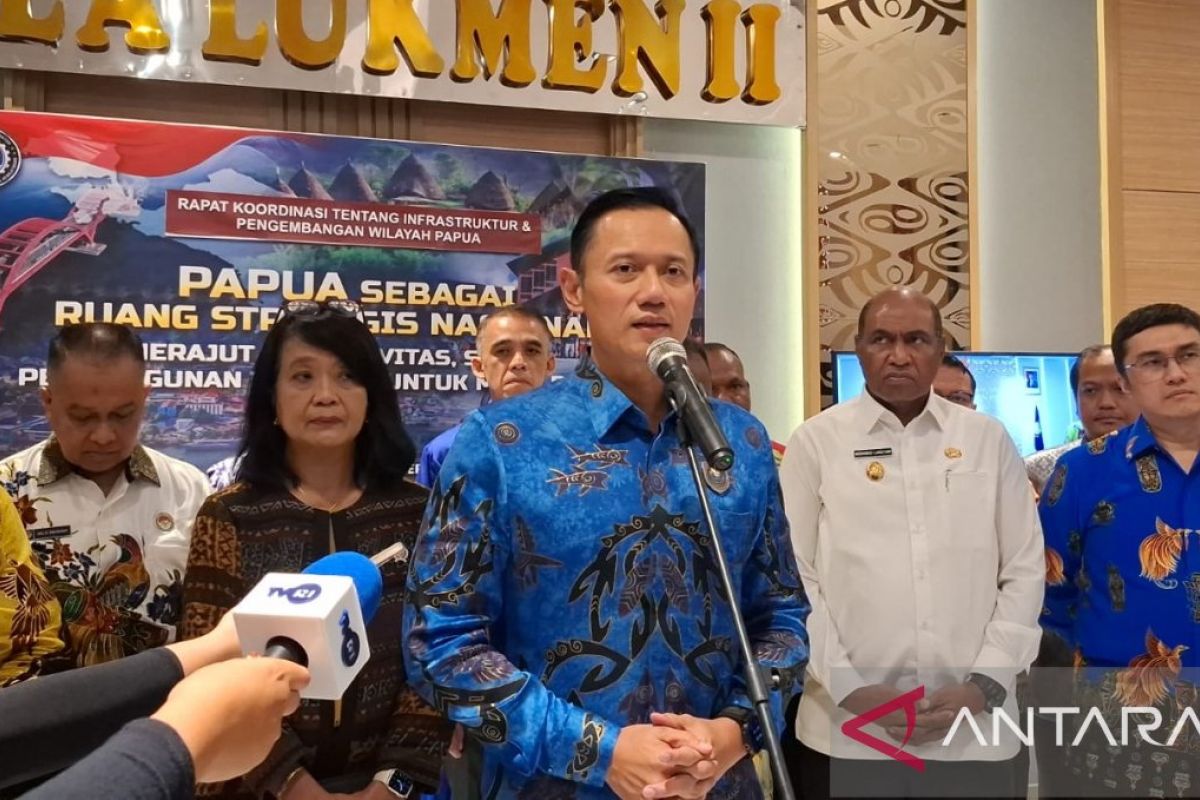
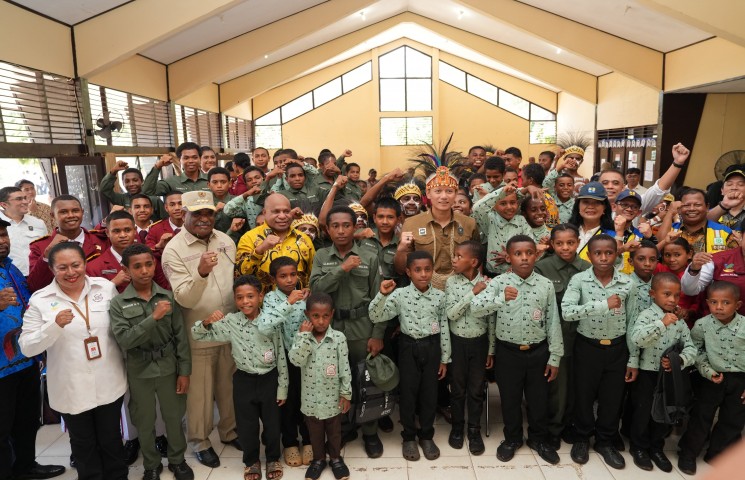
Indonesia is accelerating infrastructure development in Papua under Governor Meki Fakhiri, with Coordinating Minister for Infrastructure and Regional Development Agus Harimurti Yudhoyono stressing that connectivity, public services and economic opportunity must reach indigenous communities while civilian protection and the rule of law remain central.

An indigenous and civilian transport lifeline in Papua’s highlands was disrupted after an armed OPM faction allegedly killed a driver and burned his vehicle near Lake Habema, prompting a security investigation and renewed calls to protect workers and civilians.
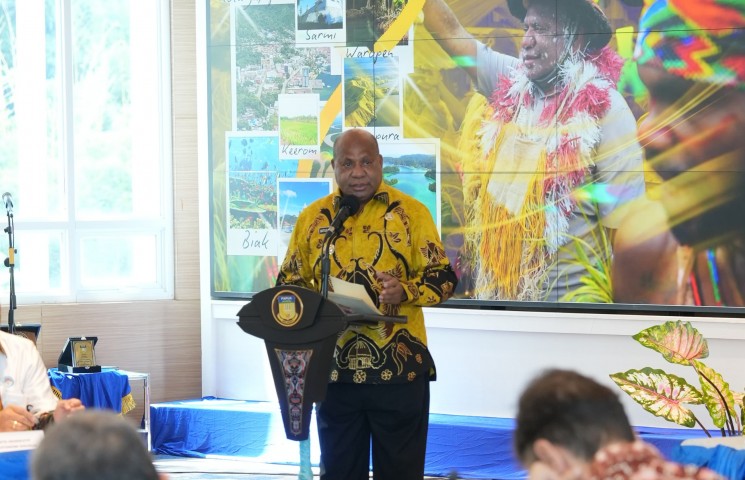
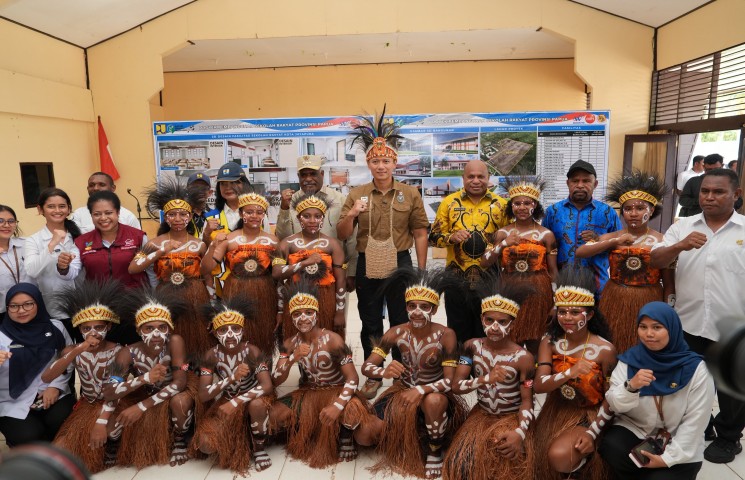
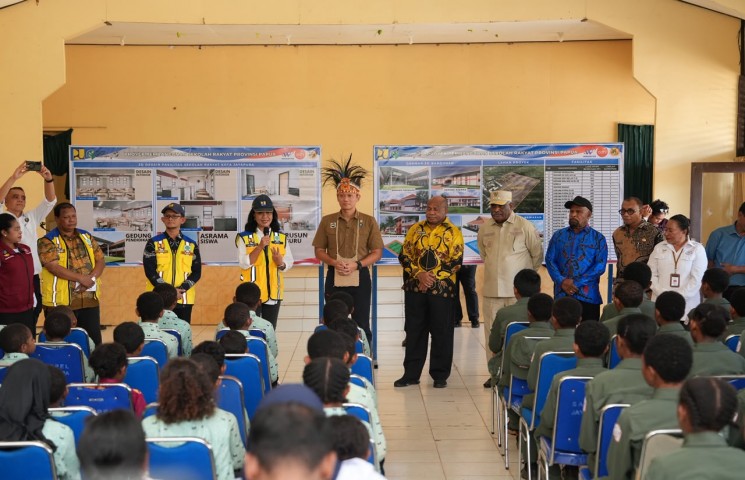
The Ministry of Public Works is funding integrated community schools in Jayapura, Biak and Sarmi, expanding access to education while strengthening Papua’s human-resource development and protection of indigenous children.
Indonesia is preparing an Integrated People’s School in Papua with capacity for approximately 2,500 elementary-to-secondary students, including dormitories and supporting facilities for pupils and teachers. The initiative places education, equal opportunity and the protection of Indigenous Papuan children at the centre of peaceful development.

The development of Kampung Nelayan Merah Putih facilities in Supiori and Biak Numfor is expected to strengthen fisheries, processing industries and village-level businesses while supporting peaceful, rights-based development for Papua’s coastal communities.